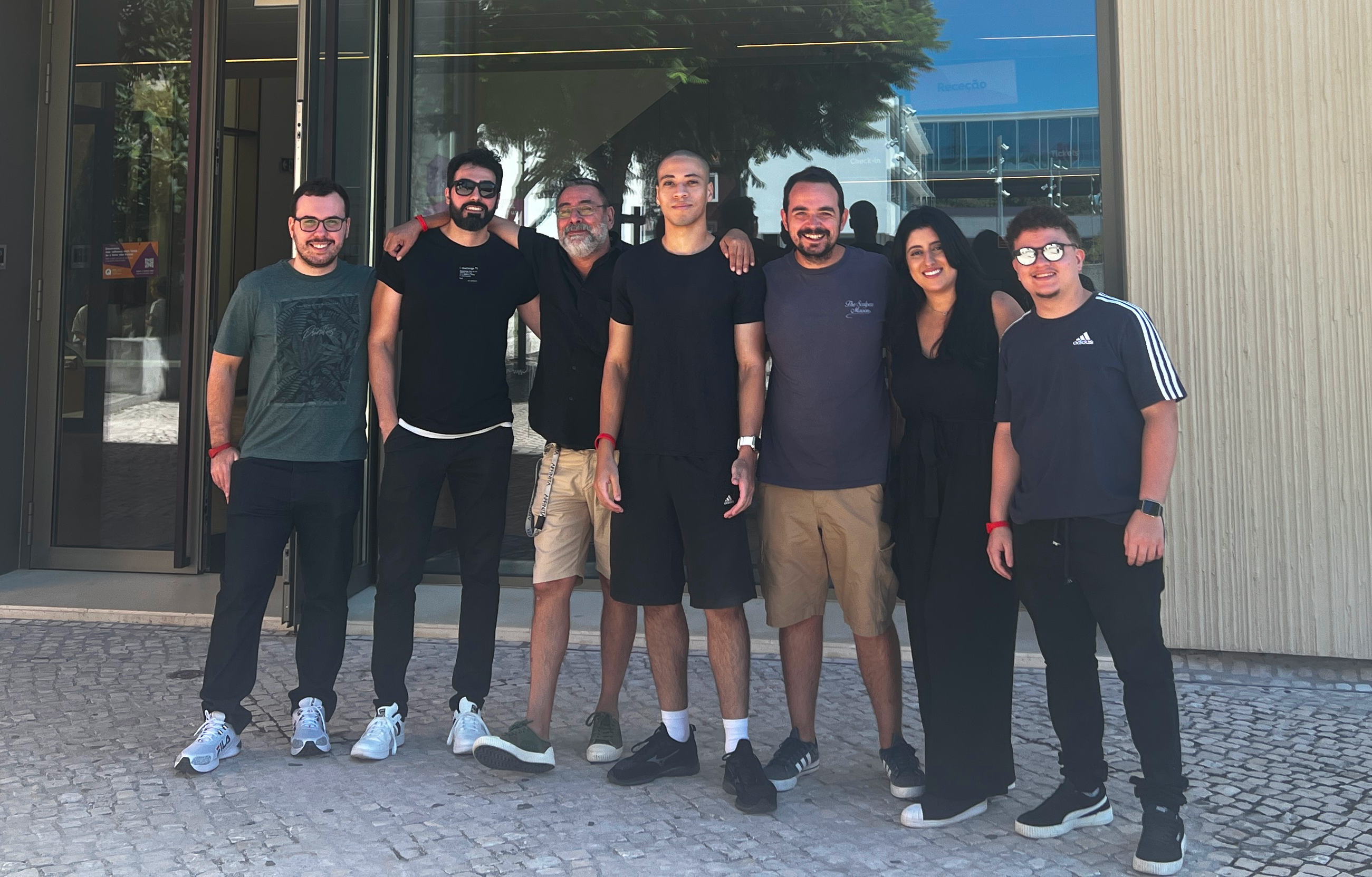
Six years of building digital products, solving problems, making mistakes, and growing alongside the people who believed in us.
Six years ago, Buzzvel started with an idea. We wanted to build technology that made a difference, work with people who shared our values, and create something we could be proud of.
We knew how to build software. What we didn't know was how much building a company would teach us.
Since 2020, we've worked with startups finding their feet, established businesses facing new challenges, and partners across different countries and industries. We've designed digital experiences, developed complex platforms, explored new technologies, and watched ideas grow into businesses.
Not everything went according to plan.
Some projects pushed us beyond what we thought we could do. Others made us question our assumptions, rethink our processes, or admit that the first solution wasn't necessarily the right one.
And somewhere between the challenges, the successes, and the people we've met, we learned a few things worth sharing.
Here are six lessons that have shaped Buzzvel over the past six years.
01. The best solutions start with understanding the problem.
When someone comes to us with an idea, it's tempting to start thinking about how to build it. The technology, the features, the interface, the architecture.
But we've learned that the most important work often happens before any of those decisions.
It starts with listening.
A good brief tells us what someone wants to create. A good conversation helps us understand why they need it, who will use it, and what problem it actually needs to solve.
Our work with Portugal Homes reinforced this lesson.
What initially looked like a website transformation was connected to something much bigger: a business evolving towards a new model, with more partners, more properties, and more complex customer journeys.
Through a collaborative discovery process, we worked with the client's team to understand the business, challenge assumptions, and define a digital foundation that could support that evolution.
The platform has since reached 2,520 active properties, with property inventory growing by 320%.
Those results remind us why understanding the problem matters.
The goal isn't to build exactly what was requested. It's to build what the business and its users actually need.
Sometimes that means asking more questions before writing the first line of code.
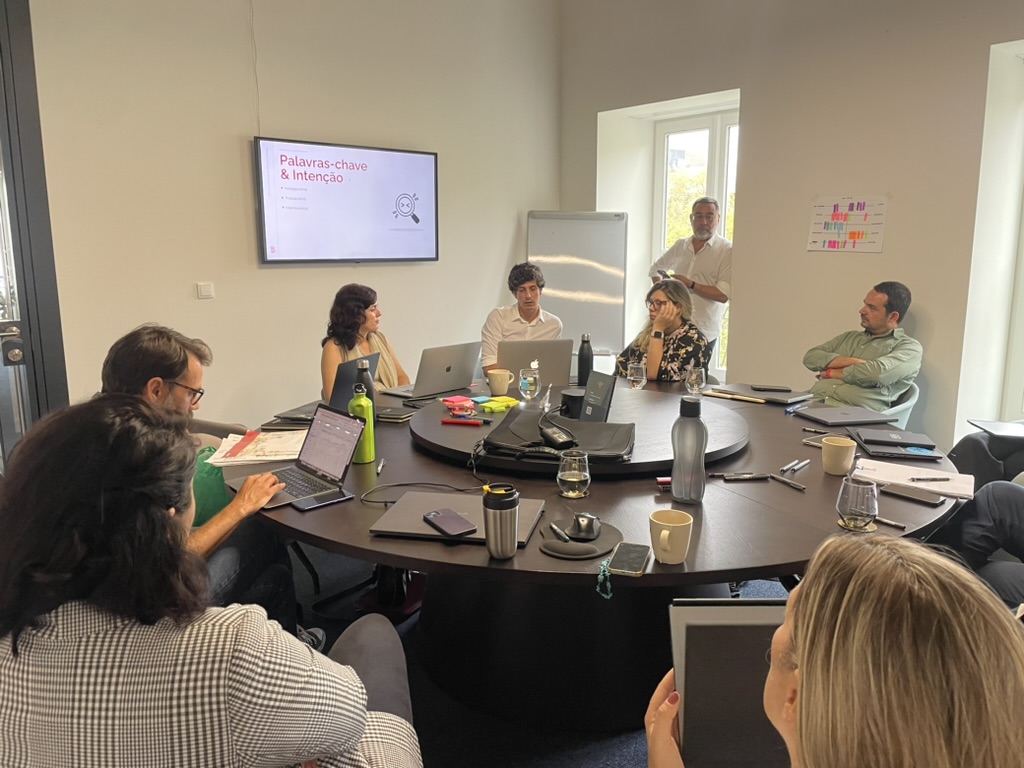
02. Simplicity takes more work than complexity.
One of the biggest misconceptions about digital products is that complexity makes something more valuable.
More features. More functionality. More technology.
We've learned that the opposite is often true.
The best digital experiences make complicated things feel simple. But achieving that simplicity requires a deep understanding of everything happening behind the scenes.
Our first client, Coma ou Leve, challenged us to help organize and digitize operational processes, bringing structure to a business where production, orders, and delivery needed to work together.
Years later, projects like Libre/Rhize presented a very different type of complexity, connecting industrial data and processes within manufacturing environments.
Different industries. Different technologies. The same underlying challenge.
How do you make something complicated easier to manage, understand, and use?
The answer rarely comes from adding another feature.
It comes from deciding what matters, removing unnecessary friction, and designing systems that work with people rather than against them.
We've learned to appreciate the work users never notice: integrations that run reliably, information that's easy to find, and processes that no longer require unnecessary effort.
Good technology doesn't need to feel complicated to be powerful.
And simplicity is rarely the easiest thing to build.
03. Trust is built through actions, not promises.
Technology has taken Buzzvel far beyond Portugal.
We've worked with clients and partners across Europe, the United States, Australia, and other markets. Different cultures, different businesses, different expectations.
But no matter where we've worked, one thing has remained constant.
People want to know they can trust the team behind their project.
We've learned that trust doesn't come from having the most impressive presentation or promising that everything will be easy.
It comes from being clear about what we can do, being honest when something is difficult, and taking responsibility when things don't go as expected.
Sometimes it means challenging an idea because we believe there's a better solution. Sometimes it means adapting our approach to a client's business instead of expecting the business to adapt to us.
And sometimes it simply means being available, listening carefully, and doing what we said we would do.
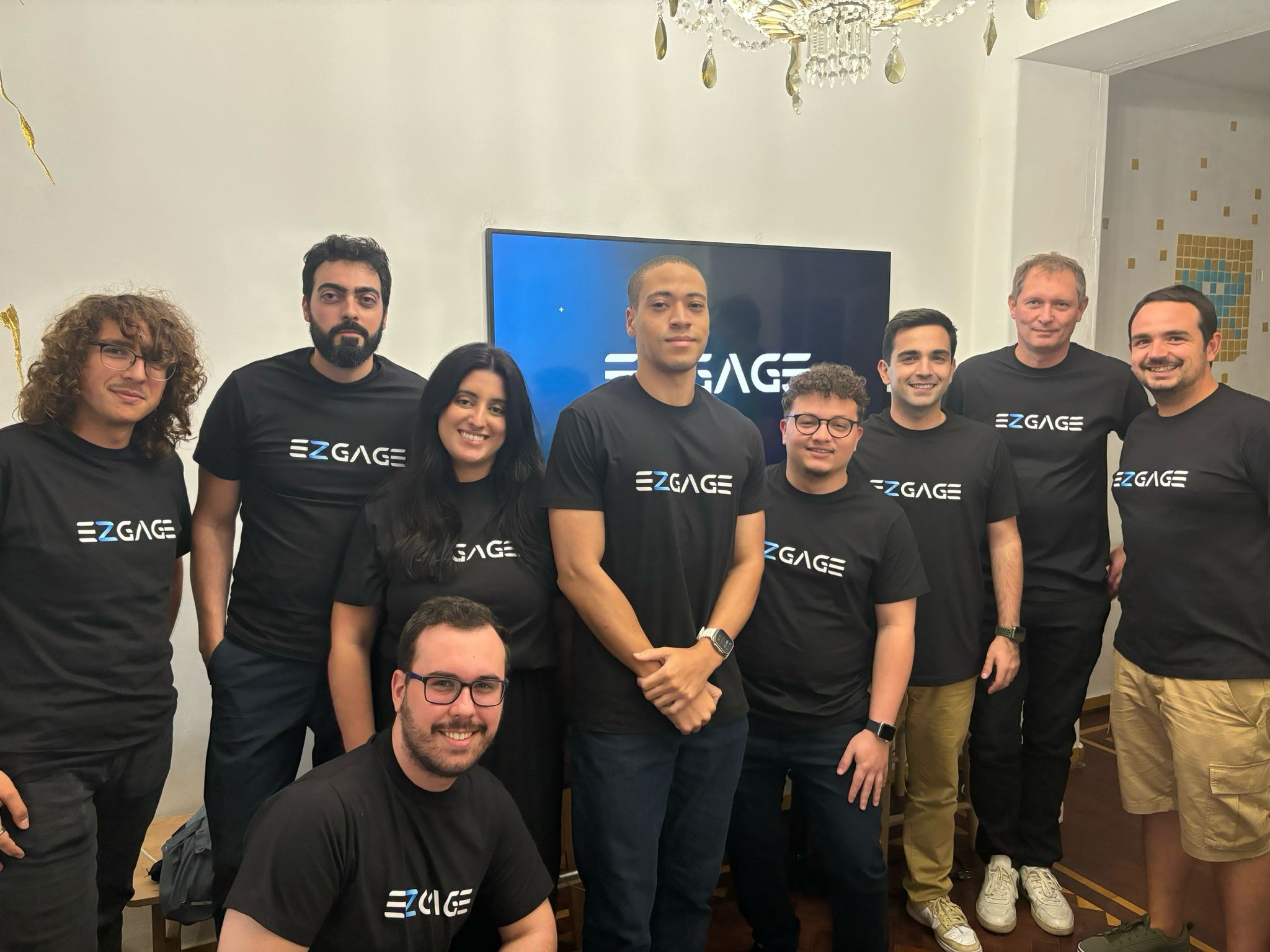
Our partnership with Ezgage is a good example.
What started as a mobile app development project grew into something more. After seeing the results and experiencing how our team worked, the client decided to trust us with the web version as well.
It wasn't just about delivering another platform. It was about building a relationship where communication, flexibility, and a shared commitment to the project made the next step possible.
The relationships we've built with clients, agency partners, and collaborators have helped shape Buzzvel as much as the projects themselves.
Our team has also grown across borders, bringing together people with different backgrounds and experiences.
We've learned that great partnerships need more than technical compatibility. They need transparency, flexibility, and mutual respect.
Not every project has been perfect, and not every conversation has been easy.
But some of our most valuable lessons have come from people who trusted us enough to tell us what we could do better.
Trust isn't something you claim. It's something you earn, one decision and one delivery at a time.
04. Great products happen when different minds work together.
In our early days, Buzzvel was primarily focused on software development.
Over time, we realized that technical execution was only one part of creating successful digital products.
A product can work perfectly and still be difficult to use. An interface can look beautiful and still fail to support the business. A great idea can lose its potential when the people building it aren't working towards the same goal.
That's why our approach evolved.
Designers, developers, strategists, and clients bring different perspectives to the same challenge. When those perspectives come together early, they can make better decisions.
Kilford Studios is a good example.
The ambition was to create a digital shopping experience that preserved the beauty and craftsmanship of fine art while making customization easier for customers.
That meant combining visual design, a real-time 3D configurator, e-commerce functionality, and operational integrations.
Behind the experience, the platform also automated parts of the order and invoicing process, reducing the client's administrative work.
It wasn't just a design challenge or a development challenge.
It required both disciplines to understand the same problem and solve it together.
We've also learned that collaboration isn't always effortless. Different perspectives create disagreements, changing requirements create friction, and communication can be harder than expected.
But those conversations are part of doing good work.
The strongest products aren't built by people who always agree. They're built by people who work towards the same outcome.
05. Launching a product is only the beginning.
There's something special about launch day.
After months of planning, designing, developing, testing, and refining, something that once existed only as an idea finally becomes real.
It's a moment worth celebrating.
But six years of building digital products have taught us that launch is not the finish line.
A product enters a different reality once people start using it. New requirements emerge. Businesses change. Technology evolves. Things that worked perfectly during development sometimes need reconsideration.
And that's where another kind of responsibility begins.
Our ongoing partnership with Abreu Advogados reflects this approach.
What started as technical support and platform stabilization developed into broader work involving performance, security, digital experience, and the evolution of the firm's digital ecosystem.
Along the way, improvements included a 35–40% reduction in average page load time.
The value came not from a single launch, but from continuous attention to how the platform performs and supports the organization.
We've also learned difficult lessons about quality, testing, and communication. Building quickly means little if changes create new problems or if clients don't have the visibility they need.
There's always room to improve how we work.
A successful product isn't simply one that gets delivered. It's one that continues to create value after delivery.
And our responsibility doesn't disappear when the project goes live.
06. Growth means being willing to change.
The Buzzvel of today isn't the same company that started in 2020.
And we don't think it should be.
What began with a strong foundation in software development has grown to include UX/UI design, product strategy, digital experiences, artificial intelligence, and automation.
That evolution didn't happen overnight.
It came from the challenges our clients brought us, the new capabilities our team developed, and the opportunities we started seeing beyond traditional software projects.
In 2025, we introduced Haipe Studio, expanding our exploration of intelligent digital solutions and automation.
In 2026, we took another important step with Semantika, a product created to help brands understand how they appear in AI-generated search results.
Building our own product gave us another perspective.
Instead of only helping other businesses turn ideas into reality, we also faced the decisions, uncertainty, and continuous learning that come with building something of our own.
It's a reminder that growth isn't just about expanding the services we offer.
It's about staying curious, questioning what we know, and being willing to explore new directions.
Technology will keep changing. Artificial intelligence is already transforming how we conceive, build, and use products.
But access to new tools doesn't automatically create better solutions.
Understanding people, making thoughtful decisions, and taking responsibility for the outcome still matter.
The tools will evolve. Our willingness to learn has to evolve with them.
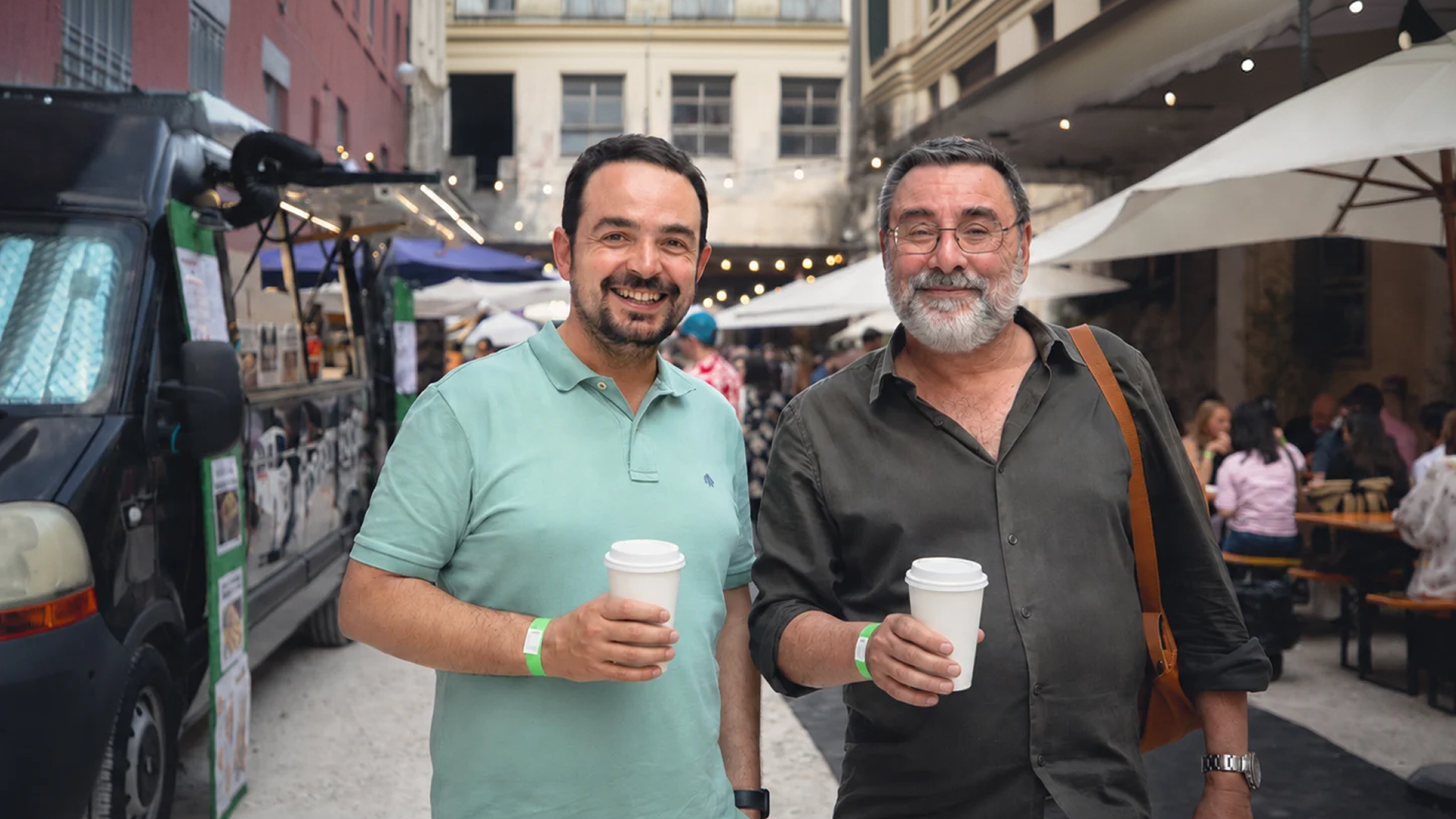
Six years later, we're still learning.
Looking back, it's easy to focus on what we've built.
The projects. The partnerships. The recognition. The new ideas that became part of Buzzvel.
But the things that have shaped us most aren't always visible in a portfolio.
They're the decisions we had to reconsider, the feedback that made us better, the challenges that forced us to grow, and the people who helped us find a way forward.
Six years have taught us that technology is only part of the equation. Understanding matters. Simplicity matters. Quality matters. And the relationships behind the work matter just as much.
We don't have everything figured out.
There are still things we want to improve, ideas we want to explore, and challenges we haven't faced yet.
That's what makes the next chapter exciting.
To our team, our clients, our partners, and everyone who has been part of these six years: thank you for the trust, the collaboration, and everything you've taught us along the way.
Six years of building. Six years of learning. And plenty more to discover.